

The Strategic Importance of Greenland in U.S. International Relations
In January 2026, U.S. President Donald Trump made repeated claims about the need for the United States to acquire Greenland, with a possibility of using military force. This prompted a crisis in relations between the United States and Europe. While the United States has a long history with Greenland and the island holds strategic value for the country, this article argues that Trump's comments will likely have long-term negative consequences for U.S. relations with NATO allies.
Silence Is Not Strategy: India’s Multipolar Problem
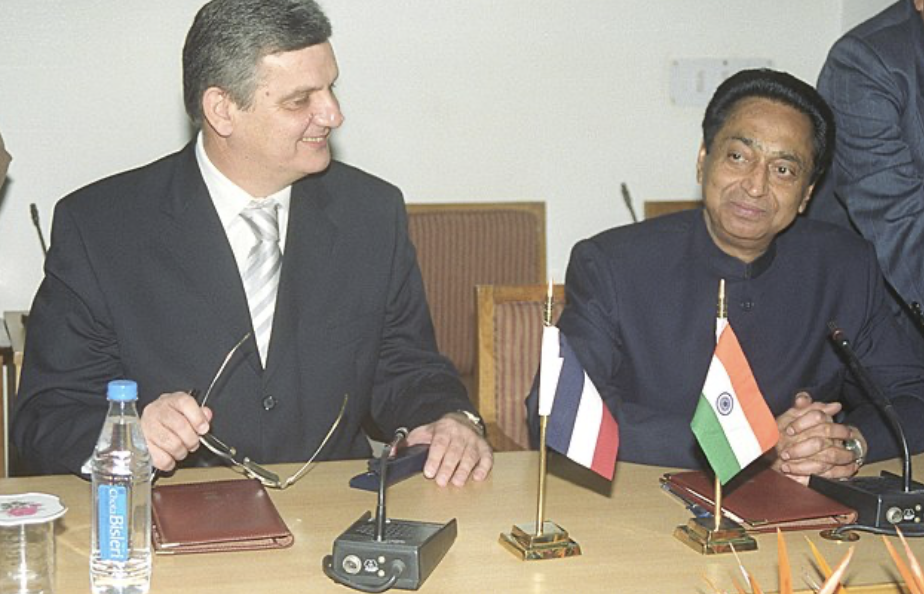
This article specifically analyzes how India’s long-standing strategy of nonalignment has become increasingly ineffective in today’s multipolar global order. Where India once leveraged geopolitical balancing to maintain its autonomy and influence, its continued strategic hesitation today erodes its influence and foreign trust in its leadership of the Global South. By analyzing India’s geopolitical stance towards the United States, Russia, China and other emerging global powers, this piece argues that ambiguity is no longer an asset for India and the nation must instead adopt a clearer geopolitical identity to retain its global influence.

The Politics of Eurovision
On December 4, 2025, Israel was cleared to compete in Eurovision. A few hours later, Ireland, Spain, Slovenia, and the Netherlands pulled out of the competition. On December 10, 2025, Iceland joined the boycott. This ongoing controversy demonstrates the inherently political nature of Eurovision. Politics have long been a part of Eurovision and will remain a part of the competition for the foreseeable future.
Sudan: On the Brink
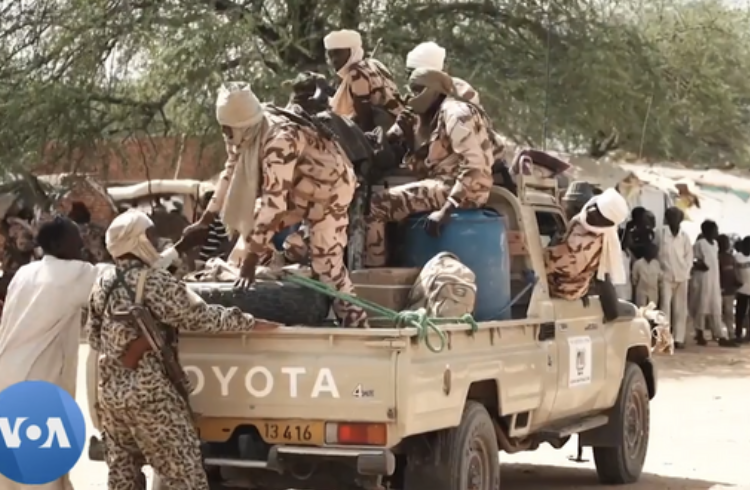
Sudan is currently going through a civil war, fueled by a power struggle between the SAF and RSF. This has created a severe humanitarian crisis with millions killed, displaced, or starved. Failed peace efforts and international neglect worsen the issue while civil society fights for human rights amongst the instability.
A Legacy of Failure: The Budapest Memorandum, a Generation On
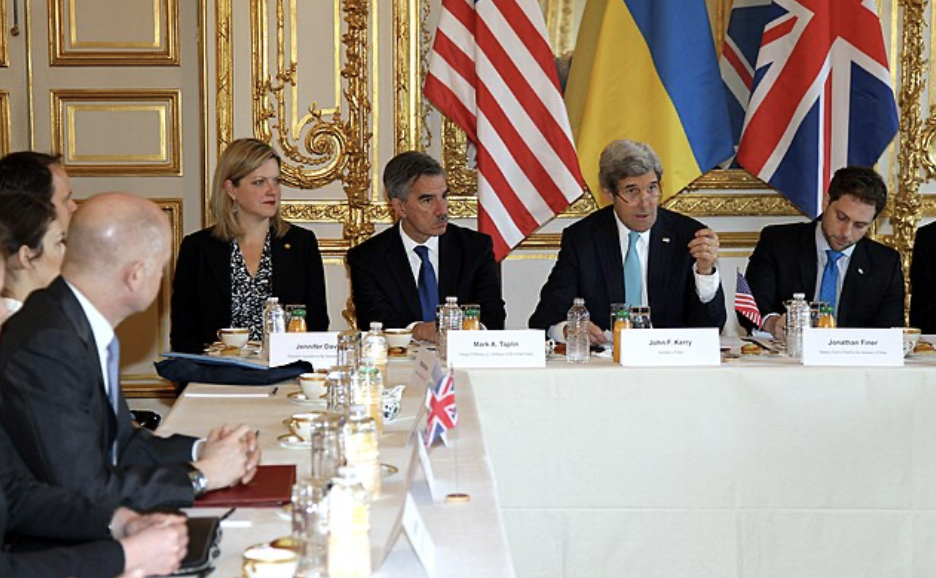
Over 30 years since its signing, the Budapest Memorandum achieved its immediate goal of curbing nuclear proliferation in the aftermath of the collapse of the Soviet Union. But the agreement’s actual provisions for Ukraine's benefit – not to mention the Memorandum's greater objective of a peaceful, stable Europe – lie in tatters because of Moscow's revanchist aggression and Washington's reckless diplomacy.
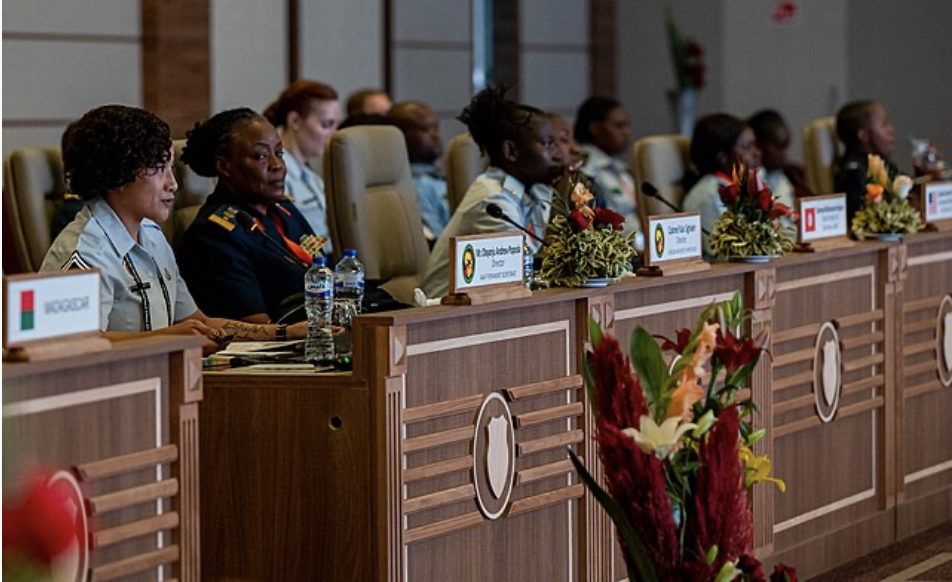
The 25th Anniversary of Women, Peace, and Security: The Light that Needs to Burn Brighter
This October 2025 marked the 25th anniversary of the Women, Peace, and Security (WPS) agenda, a framework endorsed by UNSCR 1325. This resolution by the UN Security Council marked groundbreaking advancement for the international commitment towards women’s rights. During the United Nations’ annual WPS debate, speakers discussed the empowerment of women, but also the critical danger and conflict that women around the world are facing. During a time of various humanitarian conflicts and conservative leaders, the call for women to be represented in all facets of peacemaking is necessary for change.
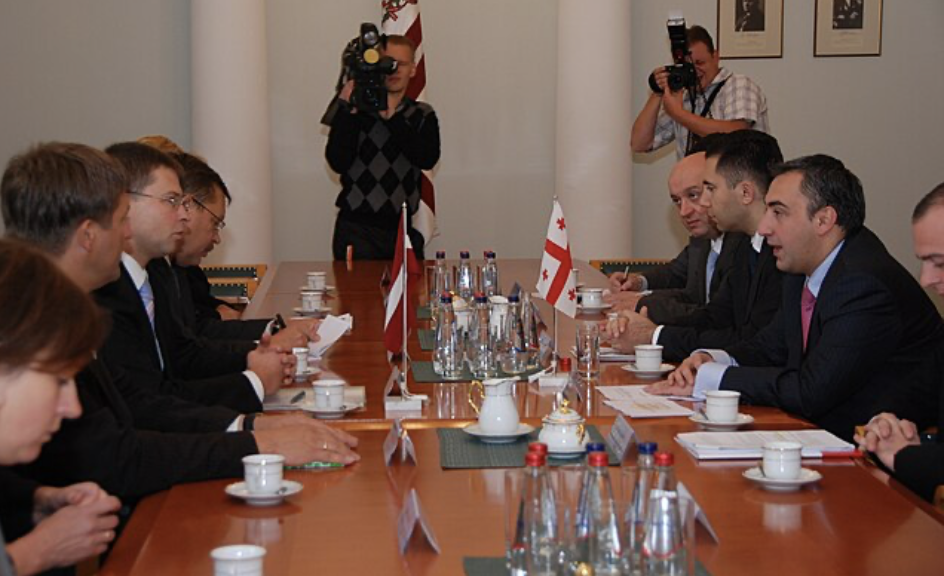
The Georgian Dream is a Democratic Nightmare
After the local elections on October 4th, the Georgian Dream has proven itself to be a democratic nightmare. Through vote buying, intimidation, and likely Russian interference, the democratic experiment in Georgia is likely over or at the very least coming to a close. When looked in comparison to the extremely reformist President Mikheil Saakashvili, Prime Minister Irakli Kobakhidze's claims of reform fall flat as his vote buying, intimidation, and now mass arrests of opposition leaders and protestors shows that his party, the Georgian Dream, cares more about power rather than membership in the European Union, the strength of Georgian democracy, or Georgian civil society.
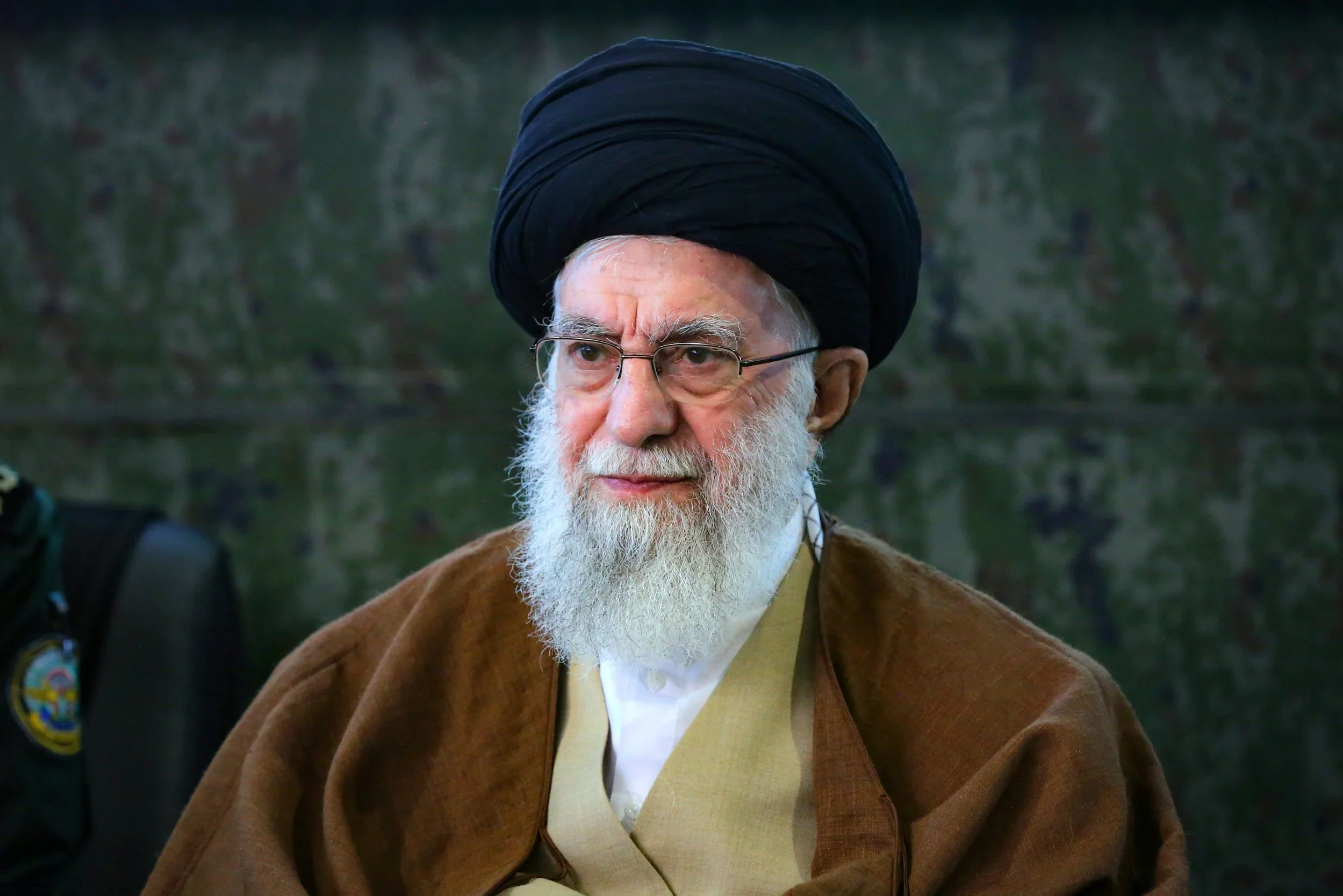
Expanding Their Reach: Iranian Efforts to Interfere in the 2024 American Presidential Election
The contentious political environment surrounding the 2024 American Presidential Election between Vice President Kamala Harris and Former President Donald Trump provides the golden opportunity for America’s adversaries to interfere in the election. Chief among these adversaries is the government of Iran. Continuing their history of American presidential election interference, the Iranian government and its agents are seeking to sow distrust and create chaos in the electoral process and democratic systems of the United States. They are attempting to achieve this aim through the coordinated compromising of critical computer accounts, distributing stolen restricted information, and the dissemination of disinformation through social media and news websites. Additionally, the Iranian government stokes fears of political violence through the ongoing threat to the life of Former President Trump. This multi-pronged interference campaign against the 2024 presidential election is the most serious threat ever posed by the Iranian government in an election. By sowing distrust in the American democratic electoral system, the Iranian government is seeking to make the United States less stable and secure.

Reducing Child Marriage in Malawi
Child marriage is a violation of human rights that occurs worldwide. An estimated 640 million women today were married as children. Child marriage can occur in countries with high poverty, deeply set cultural practices, and social expectations which young girls face with no other alternative. Malawi is a country in Southeastern Africa, a region that is home to 50 million child brides. The United Nations Population Fund of Malawi states that 47% of women in the country are married before the age of 18. However, the Marriage Act of Malawi in 2017, which protects young girls from underage marriage, was passed due to the work of civil society. The country displays hope in preventing child marriage within the country through intervention that other countries can display in efforts to solve this major human rights violation.