
When Institutions Falter, Relationships Rule
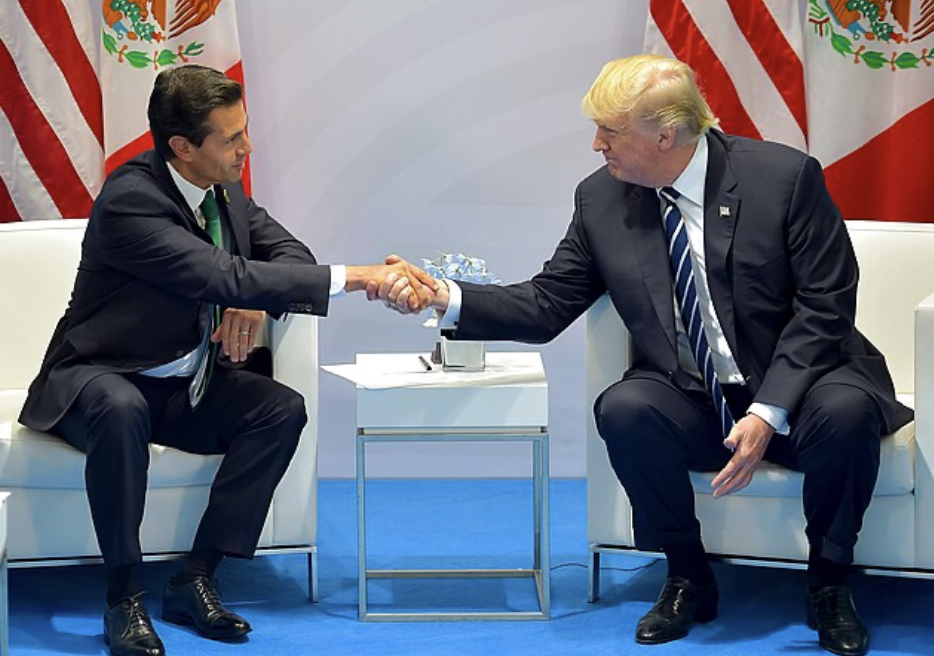
The U.S. under Donald Trump has mainstreamed a CEO-style, highly transactional diplomacy in the Americas: define the problem plainly, set a concrete ask, trade quick concessions, move on. In a global age of institutional fatigue, personal ties are the glue that keeps policy moving – the United States’ CEO-style approach to diplomacy can find a home in Latin America.
China is Still Not an Enemy
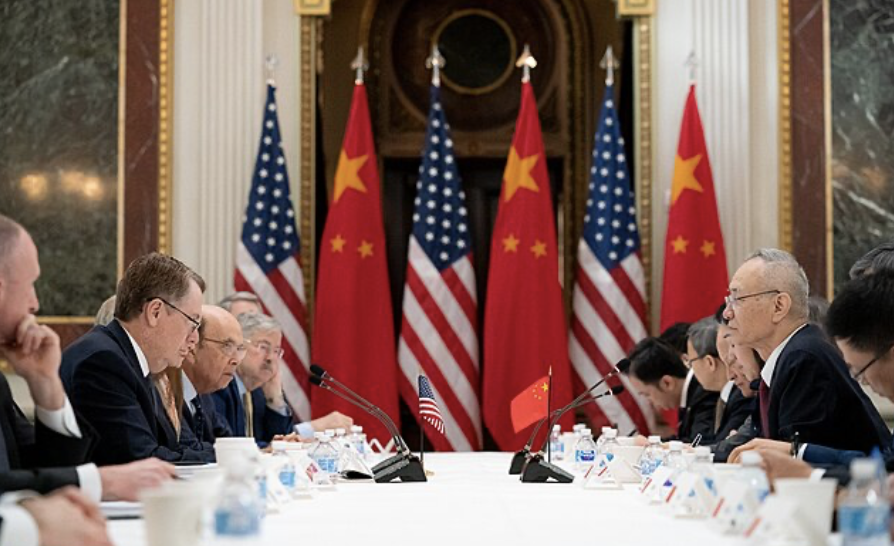
"China is not an enemy". That was the title of an open letter published in the Washington Post in 2019. This article seeks to reinforce this idea in the new Trump administration, especially with its fearmongering and hawkishness towards China. It also provides more insight into the environment surrounding the discourse on China and how other actors, specifically think tanks, are amplifying this hawkishness and fearmongering that is unnecessary, unwarranted, and even dangerous.
The Erosion of US Soft Power: The Strategic Implications of US Global Disengagement
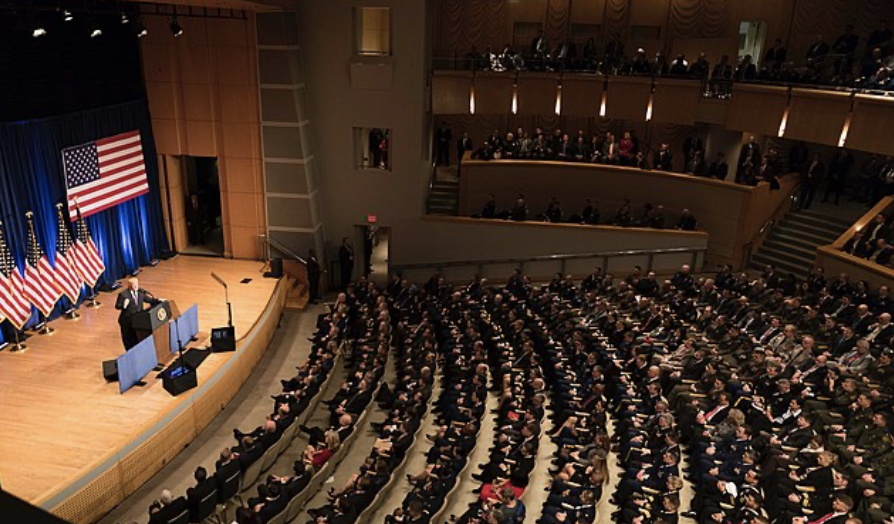
Since World War 2, US leadership has shaped global cooperation through soft power, trade, and military alliances. Recent policy shifts, such as tariffs, reduced international engagement, and the closure of essential diplomatic institutions, have weakened that influence. Allies are reevaluating their reliance on US defense and economic relations, turning to regional alternatives. These developments reflect a possible transition to a multipolar world order and a diminishment of the US in global standing if these actions continue.
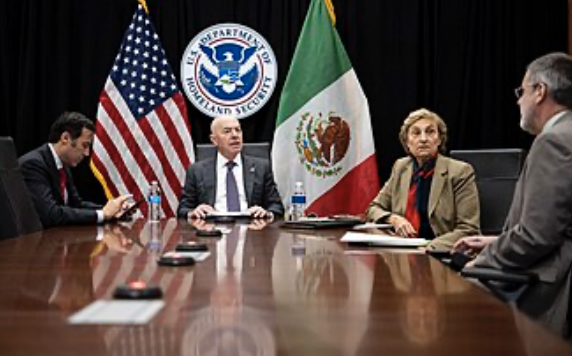
Mexico’s Power Grid Is a Soft Target in a New Era of Cartel Terrorism
This brief examines how energy infrastructure has historically been targeted as a tool of asymmetric warfare and why Mexico’s fragile electrical system is now dangerously exposed to similar threats. With cartel violence escalating and the potential for a renewed war on drugs, the brief explores the structural vulnerabilities of Mexico’s energy infastructure, which remains underfunded and ill-equipped to withstand deliberate attacks. Given that Mexico imports roughly 60% of its natural gas from the United States, any disruption to its grid poses serious risks not only to domestic stability, but to the U.S. energy market and cross-border cooperation. Recognizing this interdependence, the brief outlines actionable solutions from physical fortification strategies modeled on Ukraine’s wartime grid defense, to financing mechanisms through the North American Development Bank (NADBank).
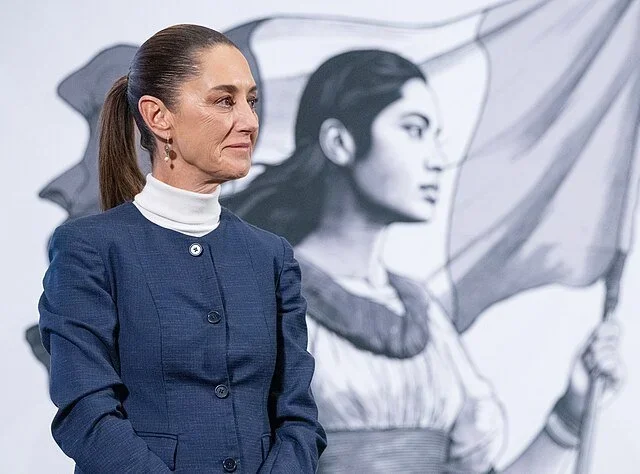
Sheinbaum’s Challenge: Security, Sovereignty, and Trump’s Shadow
President Claudia Sheinbaum faces growing challenges balancing domestic security priorities with US relations under the renewed Trump administration. Inheriting AMLO's failed "hugs, not bullets" anti-cartel strategies, Sheinbaum has pursued Mexican intelligence centralization and cautious, limited cooperation with Washington. However, tensions have escalated over migration enforcement and economic policies, including new tariffs on Mexican goods and taxes on remittances. Despite reporting reduced fentanyl trafficking, Sheinbaum must continue to navigate these complex diplomatic pressures while maintaining Mexico's socioeconomic interests and as the US-Mexico relationship faces a new era.
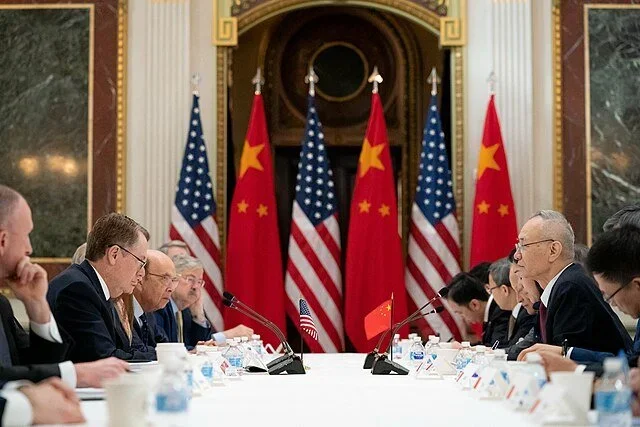
A Crisis of Legitimacy: Why Efforts to Reduce Chinese Industrial Subsidies are Doomed to Fail
Chinese government subsidies to the country’s industry have been among the most aggravating and contentious points in the US-China relationship over the past 15 years. To deal with the issue of China's unfair trade practices, the US has tried several approaches, including tariffing Chinese goods and creating legal hurdles to investment. By examining recent developments in the US-China trade relationship and China's internal political and economic pressures, this article attempts to explain why such US efforts are unlikely to see much success.
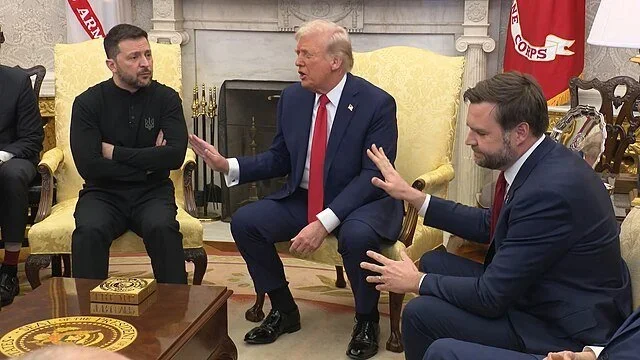
The Emperor Has No Clothes On: Trump 2.0
This Op-Ed compares Trump 2.0 to the Danish fairytale 'The Emperor's New Clothes' by examining the impact of President Trump's conduct concerning the war in Gaza and his meetings with heads of state so far.
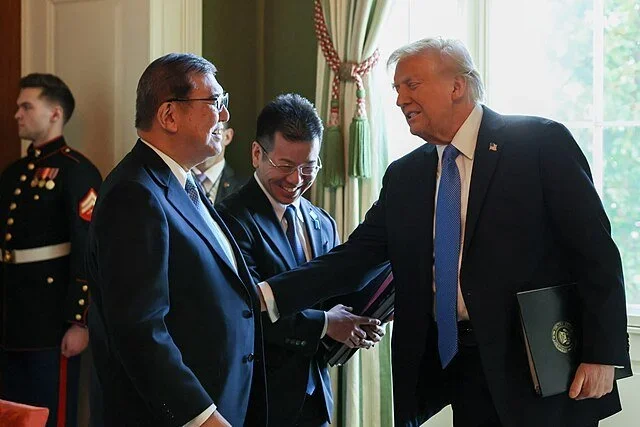
Ishiba Diplomacy and What it Means for the US Latticework in the Indo-Pacific
While Ishiba's diplomatic outlook has been different than the views of his predecessors, this could be used to the advantage of the US. Ishiba has been more pro-Chinese than his predecessors and seems willing to work together with China on common issues. With US leadership in question throughout the world, and a possible Japan-US fallout looming over tariffs, now is the time to see what impact Ishiba's diplomatic strategy would have on the US' latticework strategy to unite the Indo-Pacific through a multitude of agreements between nations and whether it is possible to incorporate Ishiba's diplomacy into the US' strategy.