

“Asian NATO”: The Prospect of a Regional Security Proposal
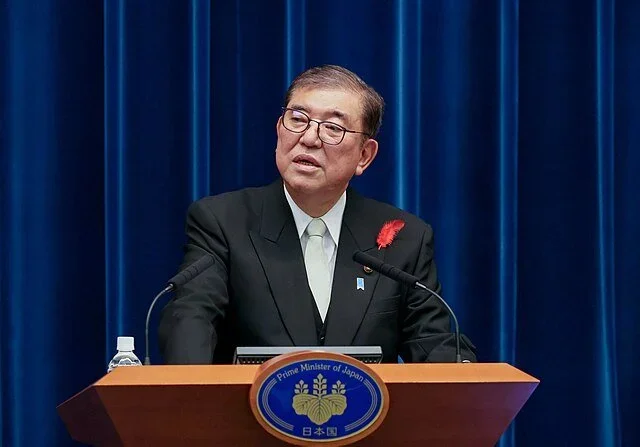
The proposal of an "Asian NATO" has gained prevalence in Japanese politics as a potential security relationship for the Indo-Pacific and Asia. Driven by concerns over the nuclear status in China, North Korea, and Russia, Japanese leaders, including Prime Minister Shigeru Ishiba and Foreign Minister Takeshi Iwaya, recently proposed a defense agreement with East Asian allies to stabilize regional tensions. While the proposal is inclusive and not directed at any specific nation, it has faced skepticism from the U.S., which favors strengthening existing alliances, and China, which perceives it as a threat to its regional influence. Though not an imminent priority, this initiative reflects shifting regional security dynamics and the need for global cooperation in addressing emerging threats.
Japan’s Navy: Its Steady Future Into the Ishiba Administration
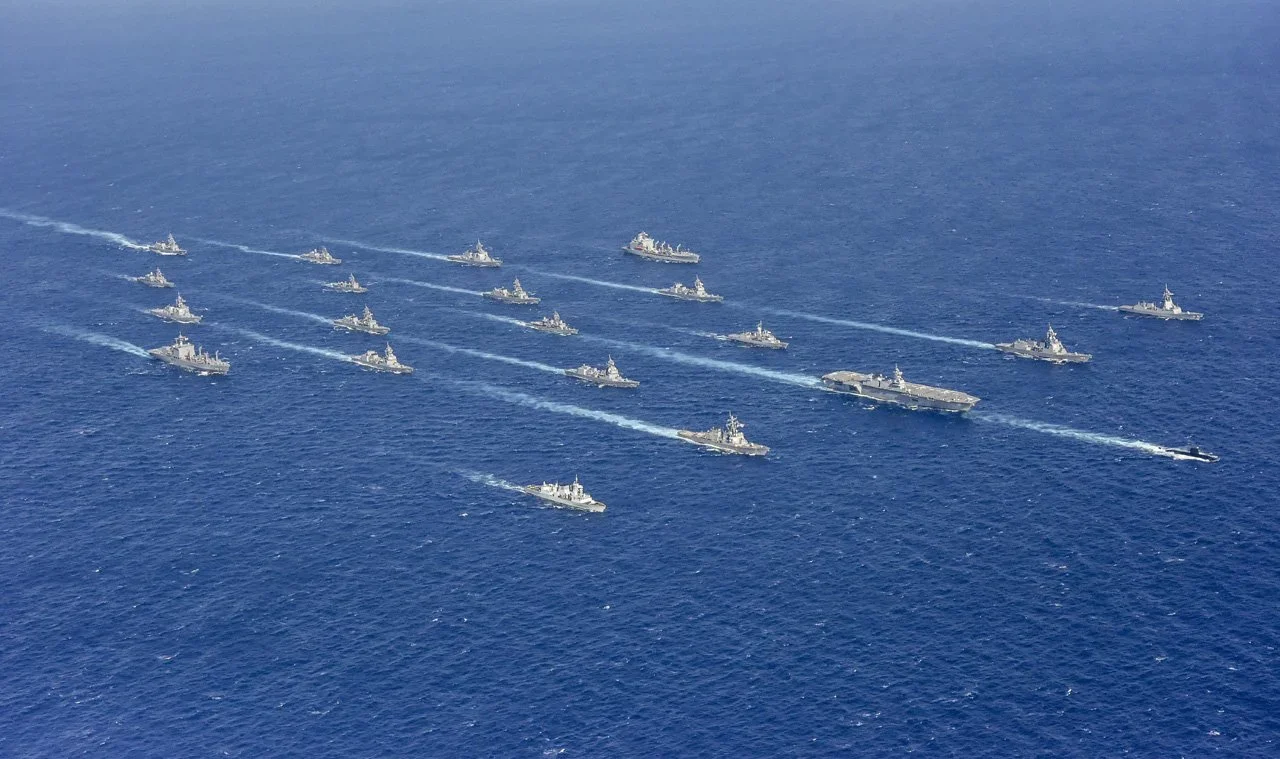
With the new Ishiba administration in Japan starting to take hold, it is about time to talk about Japan's maritime capabilities. Tensions between Japan and China only seem to be increasing, one part being an incident where China flew a plane into Japanese airspace. Japan itself navigated the Taiwan Strait for the first time, proclaiming the need for freedom of navigation within international waters. Under Shigeru Ishiba, Japan's navy does not seem set to expand, but rather to improve, and to increase its range of actions by revising the Status of Forces Agreement with the US. While ministers he has appointed, such as Foreign Minister Iwaya and Defense Minister Gen, are both former defense ministers, they both may clash with Ishiba's own vision, showing a steady, yet possibly uncertain future for Japan's Maritime Self Defense Force (JMSDF) and its maritime capabilities.