

The Strategic Importance of Greenland in U.S. International Relations
In January 2026, U.S. President Donald Trump made repeated claims about the need for the United States to acquire Greenland, with a possibility of using military force. This prompted a crisis in relations between the United States and Europe. While the United States has a long history with Greenland and the island holds strategic value for the country, this article argues that Trump's comments will likely have long-term negative consequences for U.S. relations with NATO allies.
U.S. - Mexico Customs Agency: A Necessity?
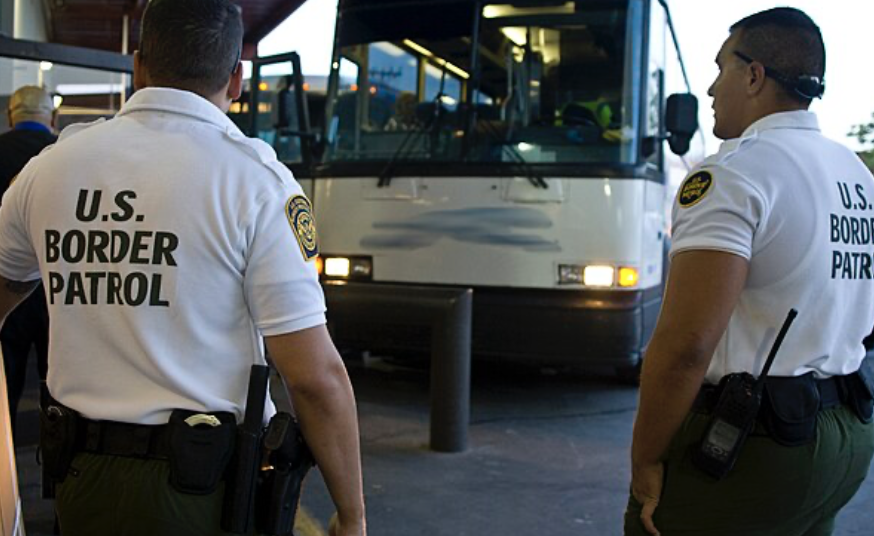
North America’s trade arteries are clogged, not with goods but with inefficiency, duplication, and gaps in enforcement that smugglers exploit every day. The United States and Mexico run separate customs regimes, each with its own bureaucracy, inspection standards, and data systems. That fragmentation slows legitimate trade and leaves exploitable cracks in border security. In a continent where contraband can move from a remote checkpoint to a major U.S. city in hours, the cost of those cracks is measured in both money and lives. Recent ad-hoc U.S. and Mexican coordination on border security policies have proven to slow down fentanyl trade. However, coordination under two siloed customs systems is slow, inconsistent, and reactive. This article will present a brief case for a single, binational joint customs agency.

Reviving Strategic Ambiguity: The Importance of Abiding by a Long-Established Principle
Over the past two administrations in the White House, the United States has increasingly moved away from the principle of strategic ambiguity that is supposed to shape U.S. foreign and defense policy toward the People's Republic of China and the Republic of China. This piece examines the origins of strategic ambiguity as a policy, reviews its effectiveness, and argues that there is a need for the U.S. to actively restart abiding by the constraints of the Taiwan Relations Act of 1979 and the principles enshrined therein.
Expanding Their Reach: Iranian Efforts to Interfere in the 2024 American Presidential Election
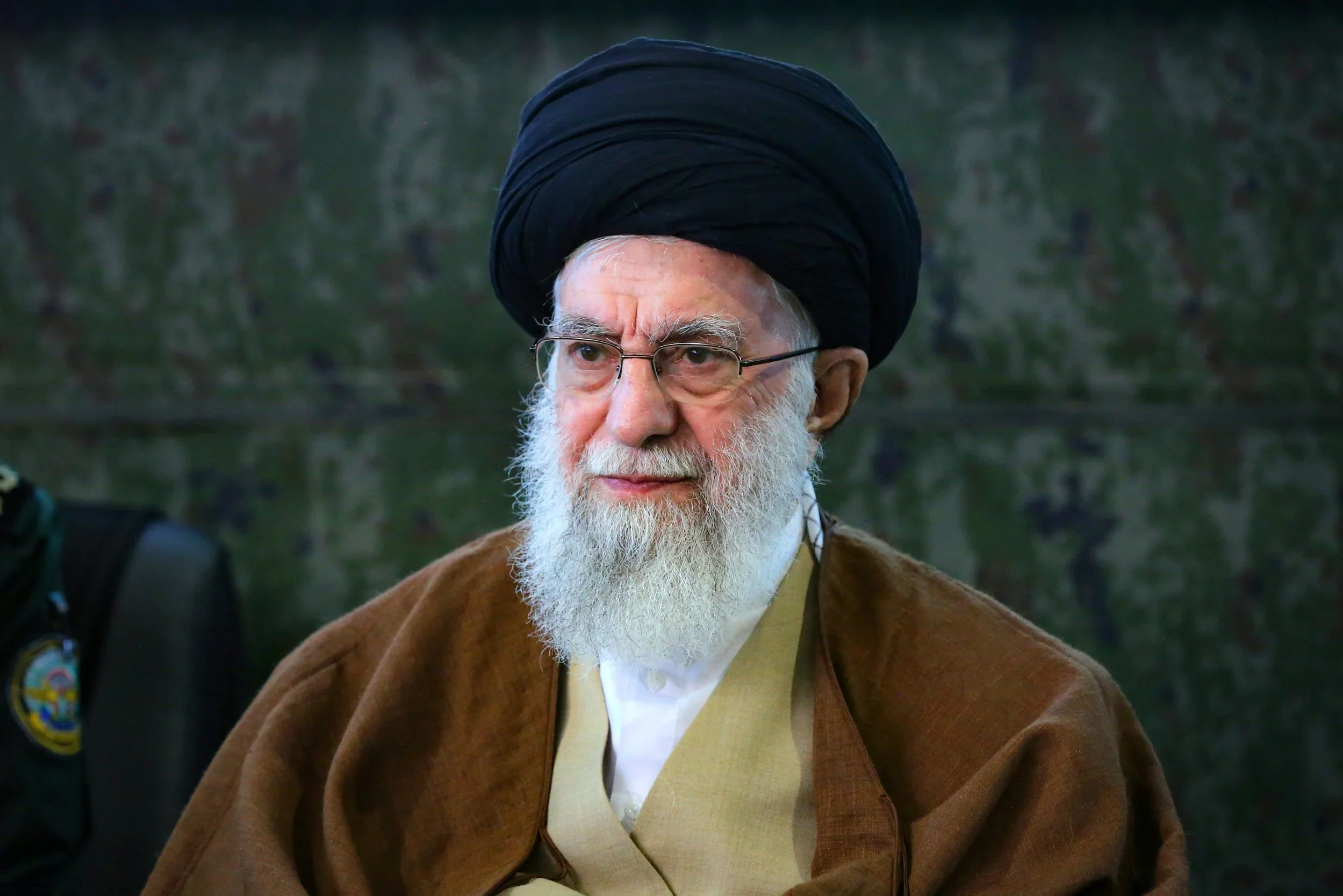
The contentious political environment surrounding the 2024 American Presidential Election between Vice President Kamala Harris and Former President Donald Trump provides the golden opportunity for America’s adversaries to interfere in the election. Chief among these adversaries is the government of Iran. Continuing their history of American presidential election interference, the Iranian government and its agents are seeking to sow distrust and create chaos in the electoral process and democratic systems of the United States. They are attempting to achieve this aim through the coordinated compromising of critical computer accounts, distributing stolen restricted information, and the dissemination of disinformation through social media and news websites. Additionally, the Iranian government stokes fears of political violence through the ongoing threat to the life of Former President Trump. This multi-pronged interference campaign against the 2024 presidential election is the most serious threat ever posed by the Iranian government in an election. By sowing distrust in the American democratic electoral system, the Iranian government is seeking to make the United States less stable and secure.